
Date: 2026-07-11
In schools, hospitals, airports, sports facilities, office buildings, and other public spaces, drinking taps represent the final point where drinking water reaches the user. As a result, their safety has become increasingly important. In the past, buyers and facility managers primarily focused on factors such as durability, installation methods, maintenance costs, and suitability for high-traffic environments. Today, however, another factor has become an essential part of the purchasing decision: lead-free construction.
When people think about lead in drinking water, they often associate it with aging water pipes. In reality, any metal component that comes into prolonged contact with drinking water can potentially affect water quality, and the drinking tap is the final—and most direct—point of contact within the entire water supply system.
If a tap contains lead-bearing materials, trace amounts of lead may leach into the water over time, particularly after water has remained stagnant inside the tap overnight or during extended periods of non-use.
Compared with ordinary domestic water outlets, public drinking taps typically operate under much more demanding conditions:
· High daily usage by large numbers of people
· Continuous operation over long service periods
· Users of all ages, including children and older adults
For schools, parks, hospitals, and other public facilities, drinking taps are expected not only to deliver clean water but also to minimize potential health risks at the source.
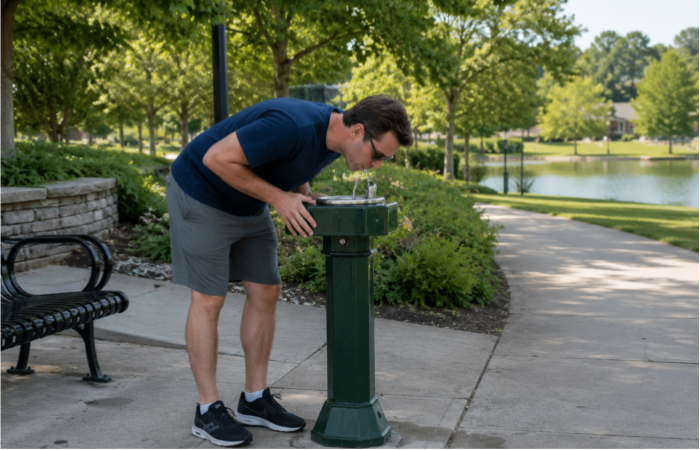
A lead-free drinking tap is determined not only by the material itself but also by the overall product design and manufacturing process. Traditional brass faucets often contain a certain percentage of lead to improve machinability. Although many manufacturers now use low-lead brass alloys, these materials may still contain small amounts of lead depending on the regulations and standards of different countries and regions.
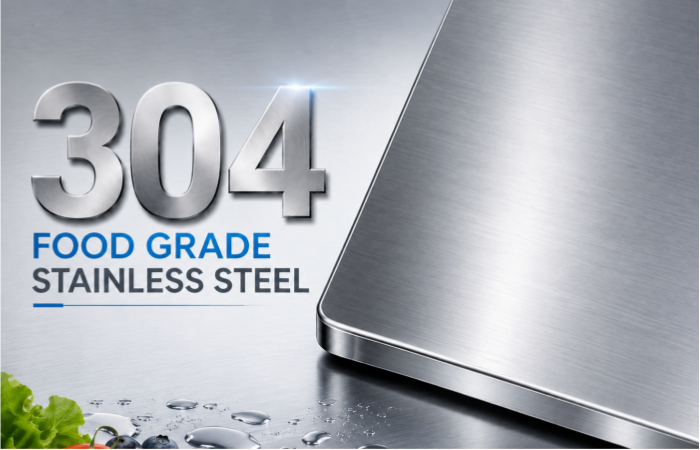
Food-grade 304 stainless steel, by contrast, belongs to an entirely different material system. It requires no added lead for machining while offering excellent corrosion resistance, mechanical strength, and hygienic properties. As a result, it has become a preferred material for drinking water equipment, food processing equipment, and medical devices where hygiene is critical.
For drinking taps, manufacturing with food-grade 304 stainless steel helps minimize potential lead-related risks at the material source while aligning with today's higher standards for public drinking water systems.
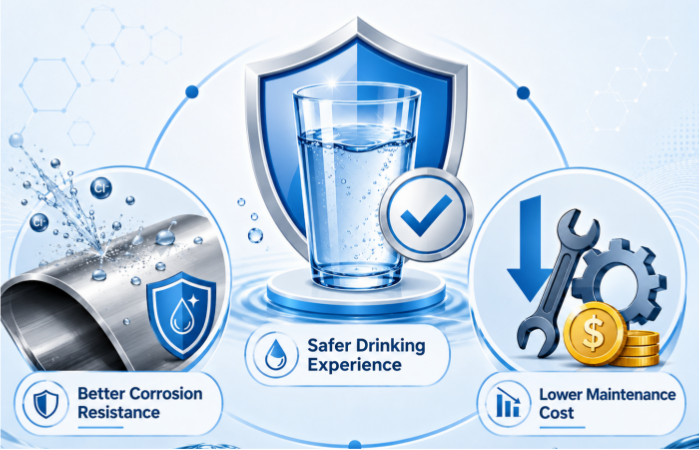
When investing in a public drinking water system, buyers should look beyond the initial purchase price and consider the product's total lifecycle value. Material selection plays a major role in determining both service life and long-term maintenance costs.
The primary purpose of a drinking tap is to deliver safe drinking water. Using lead-free materials helps reduce potential risks associated with metal leaching, providing greater peace of mind for schools, hospitals, office buildings, and other public facilities. In environments serving children, lead-free construction has increasingly become a baseline procurement requirement.
Public drinking taps are constantly exposed to moisture and frequent cleaning with various detergents. Materials with poor corrosion resistance may suffer from rust, oxidation, or premature deterioration over time. Thanks to its natural corrosion resistance, 304 stainless steel maintains an attractive surface without electroplating, even after years of continuous use, making it particularly suitable for high-traffic public environments.
For facility managers, the true cost of a drinking tap extends far beyond the purchase price. Maintenance, replacement parts, labor, and equipment downtime often account for the largest share of lifecycle costs.
A durable stainless steel drinking tap can help reduce:
· Repairs caused by corrosion
· Replacement due to surface deterioration
· Long-term maintenance expenses
· Overall lifecycle costs
For public buildings expected to operate for decades, these long-term savings often outweigh any differences in initial procurement cost.
While every public drinking water installation should prioritize water safety, certain environments place even greater emphasis on lead-free materials.
Schools
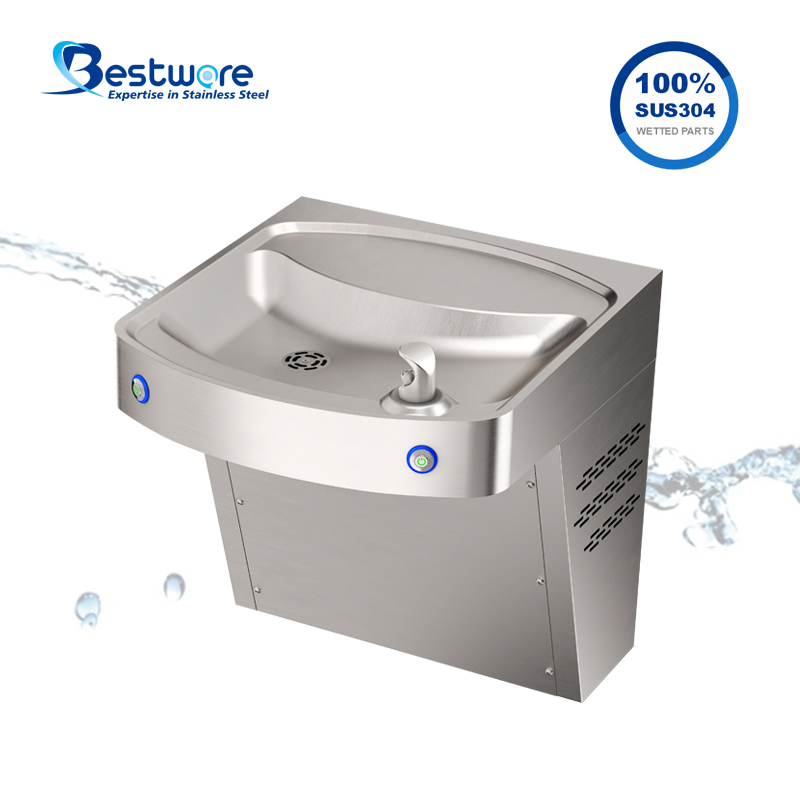
School drinking fountains are used by hundreds or even thousands of students every day. Because children are more vulnerable to the effects of lead exposure, an increasing number of educational facilities are specifying food-grade stainless steel drinking equipment to improve overall drinking water quality on campus.
Hospitals
Healthcare facilities require equipment that combines excellent hygiene with long-term reliability. Stainless steel is easy to clean and highly resistant to corrosion, making it an ideal choice for demanding medical environments.
Airports and Transportation Hubs
Airports, railway stations, and other transportation facilities serve large numbers of travelers every day. Drinking taps in these locations must withstand intensive daily use while maintaining high standards of hygiene, safety, and durability.
Parks and Outdoor Public Spaces
Outdoor drinking stations face challenging conditions, including sunlight, rain, temperature fluctuations, and potential vandalism. High-strength, corrosion-resistant stainless steel helps extend product lifespan while reducing maintenance requirements.
Commercial Office Buildings
As workplace wellness becomes an increasingly important consideration, more office buildings are upgrading their public drinking water systems. Lead-free drinking taps not only improve the user experience but also support modern green building initiatives.

Lead-free construction is only one aspect of a high-quality public drinking tap. Buyers should also evaluate the following factors.
Water Efficiency
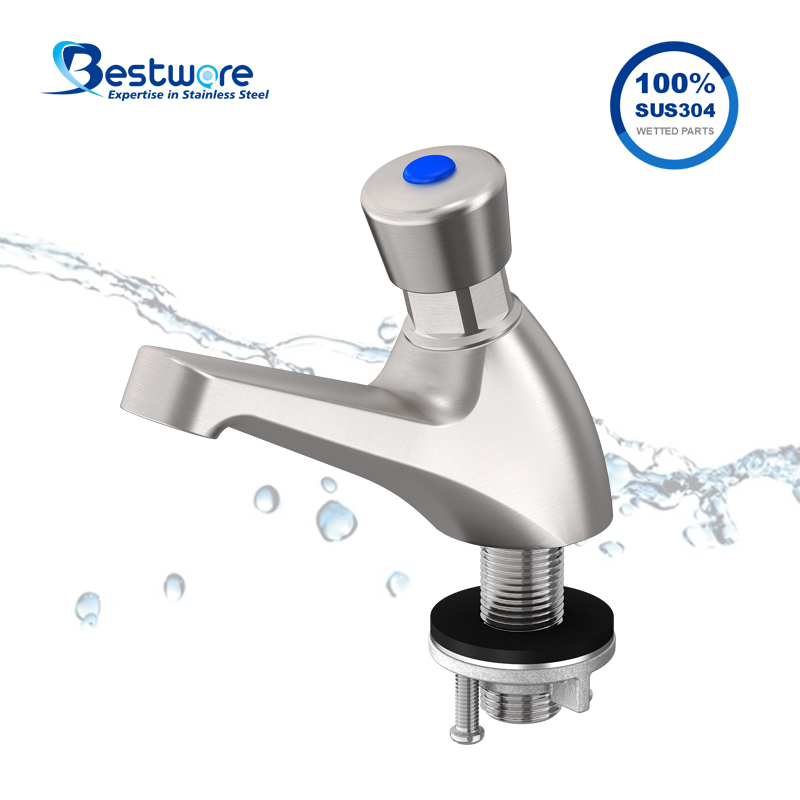
Whether manual or sensor-operated, drinking taps should dispense water only when needed and shut off immediately after use to minimize water waste.
Hygiene
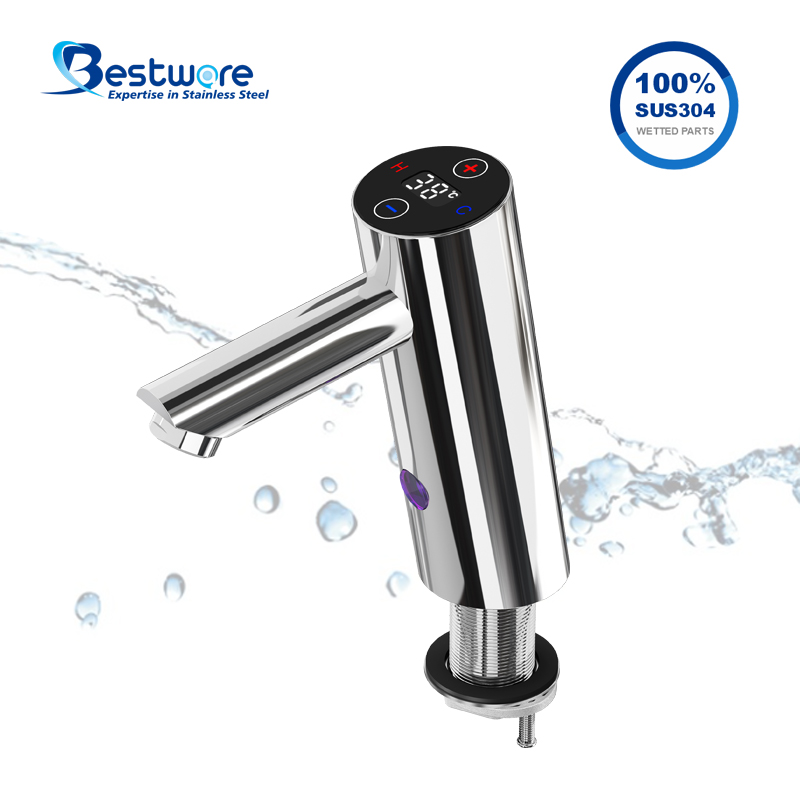
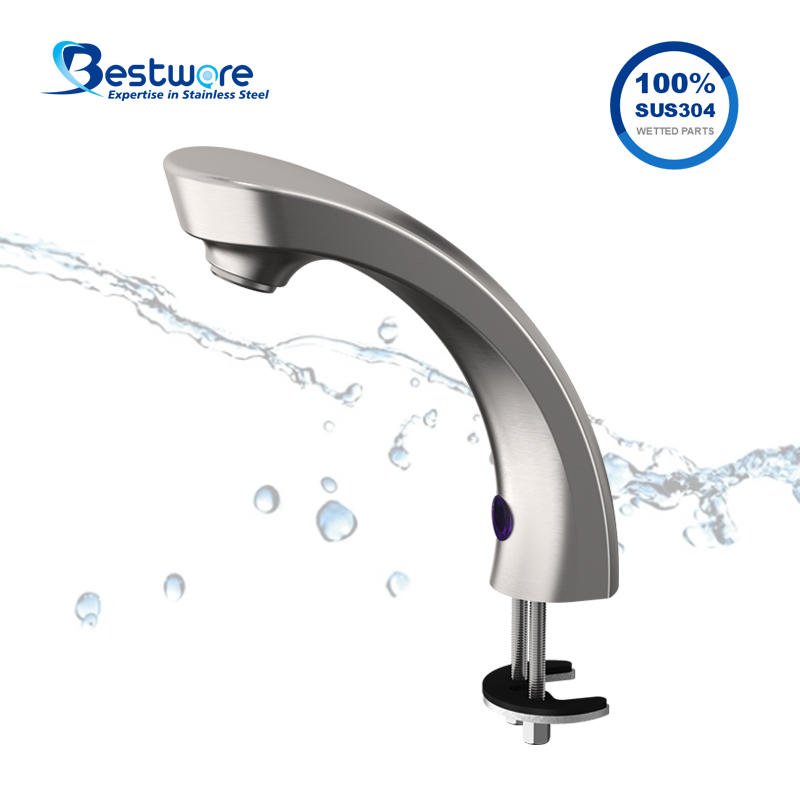
Touch-free sensor operation reduces direct hand contact, helping lower the risk of cross-contamination. Some advanced drinking water systems also include automatic flushing functions to reduce water stagnation after extended periods of inactivity.
Durability
Public drinking taps may be activated hundreds or even thousands of times each day. Valve lifespan, structural design, and material strength all directly influence maintenance frequency and long-term reliability.
Ease of Maintenance
Maintenance accessibility is another important consideration for facility managers. Features such as modular construction, concealed flow adjustment, and easy-to-service designs can significantly reduce maintenance time and improve operational efficiency.
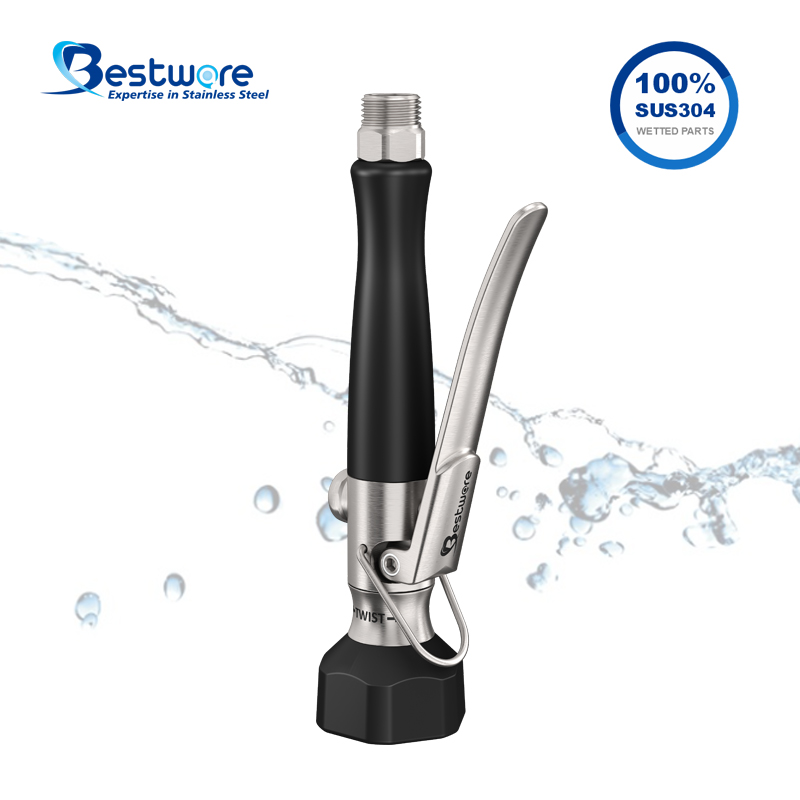
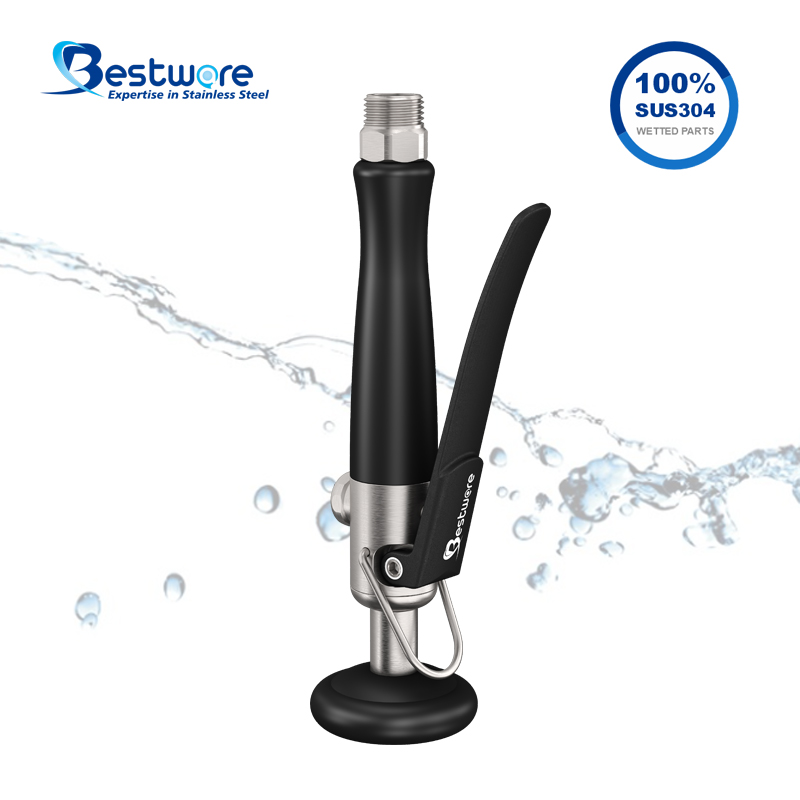
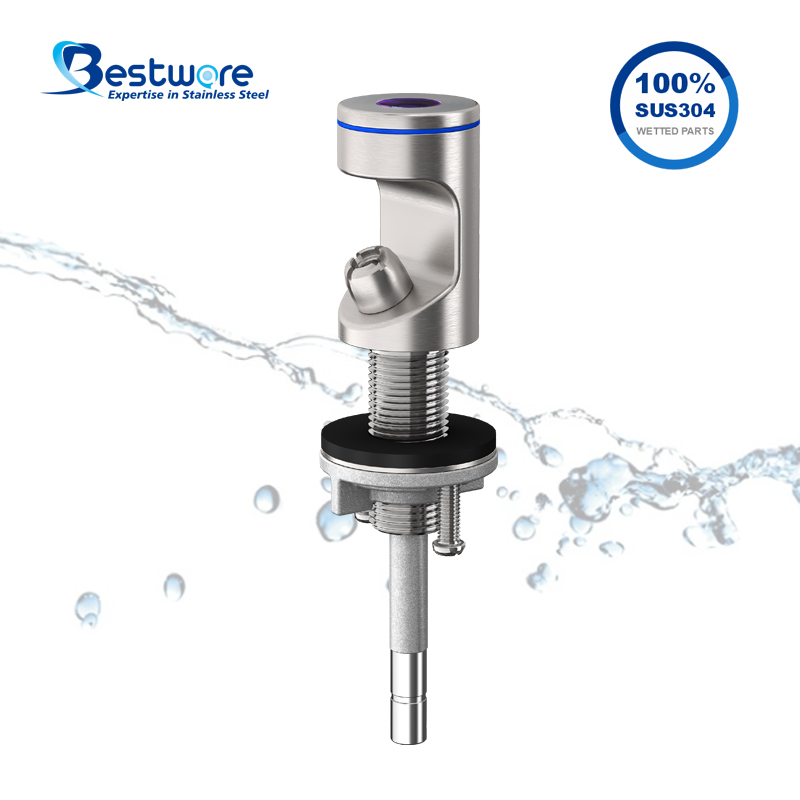
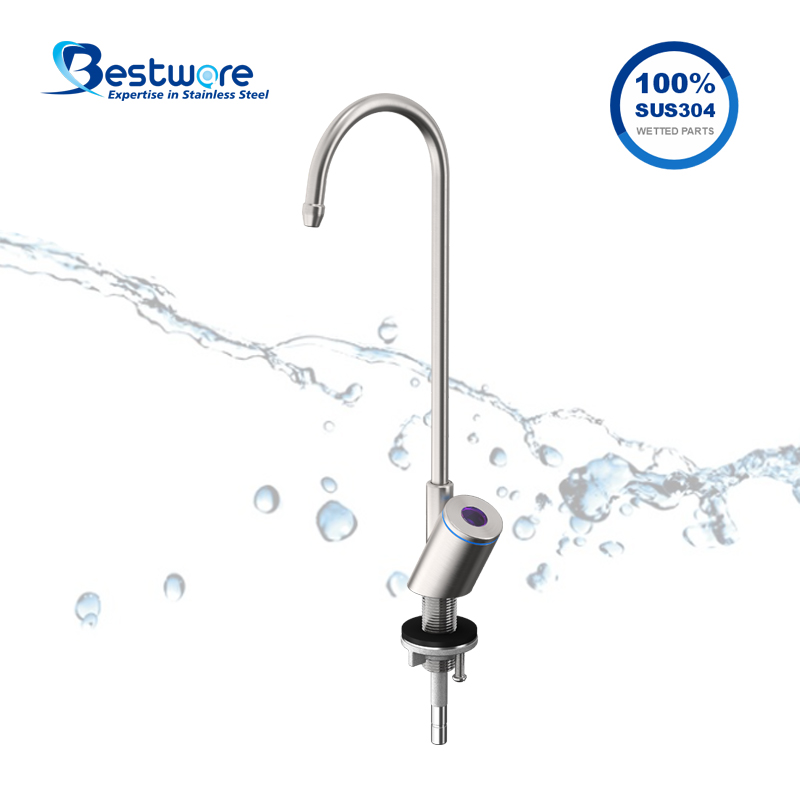
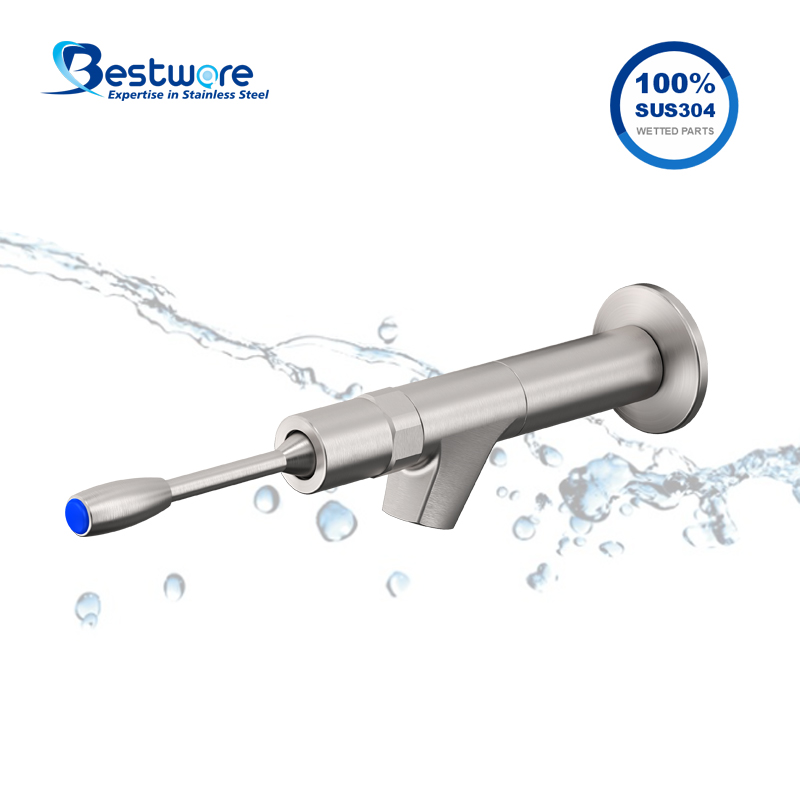
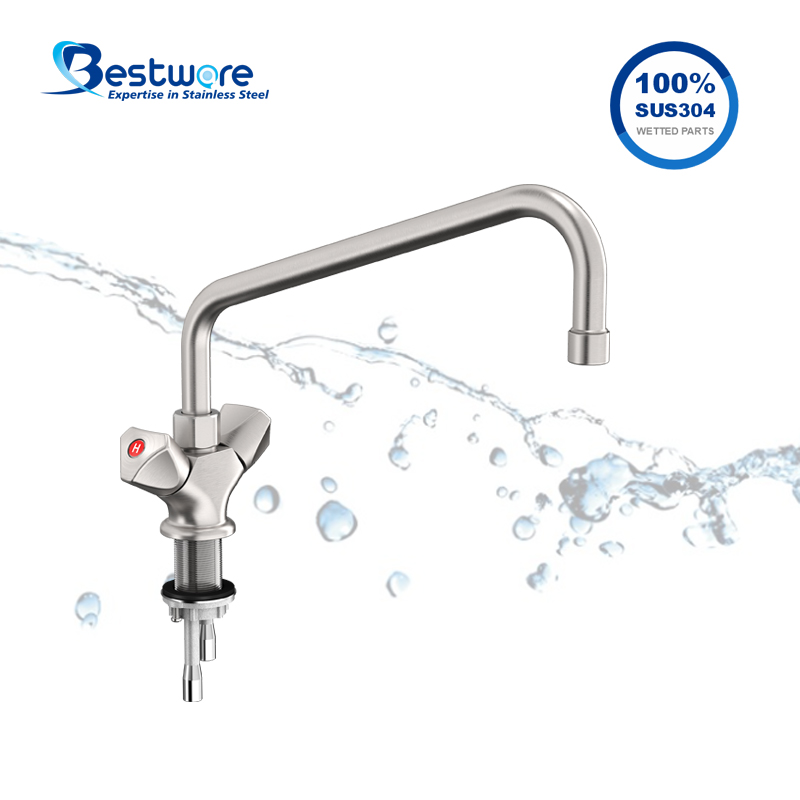
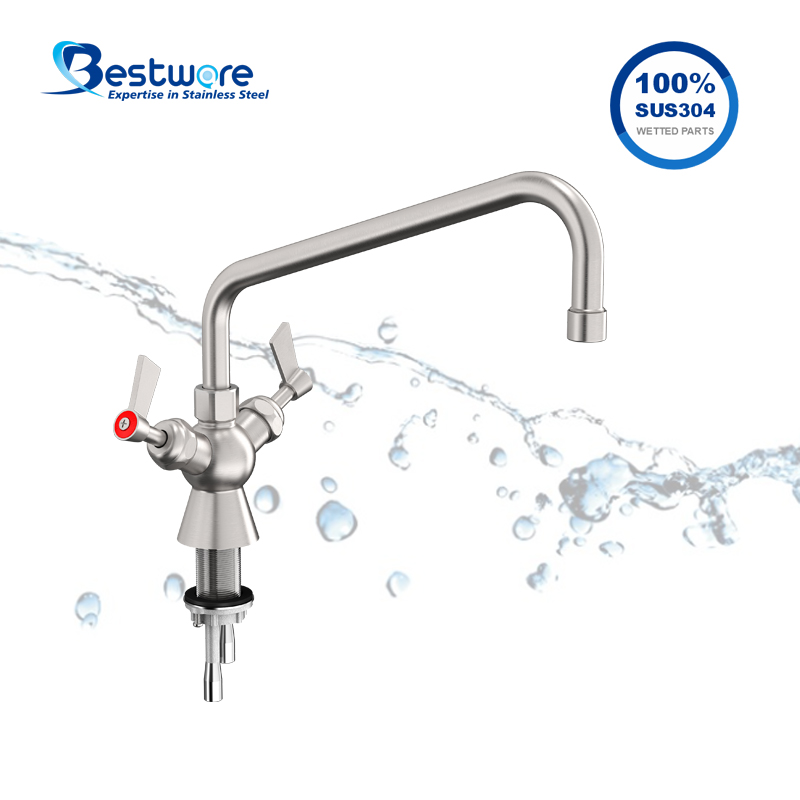
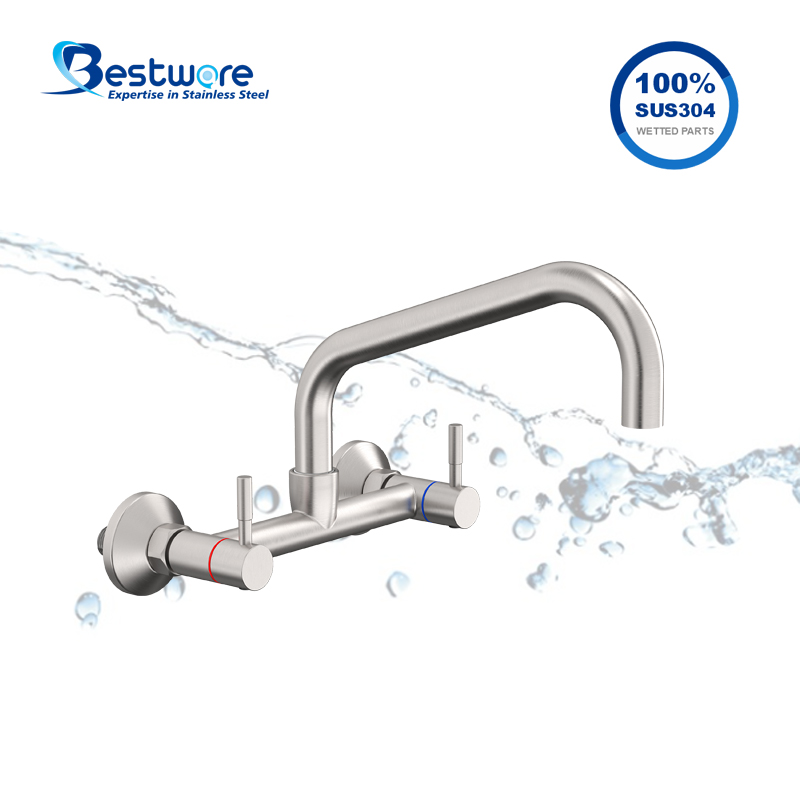
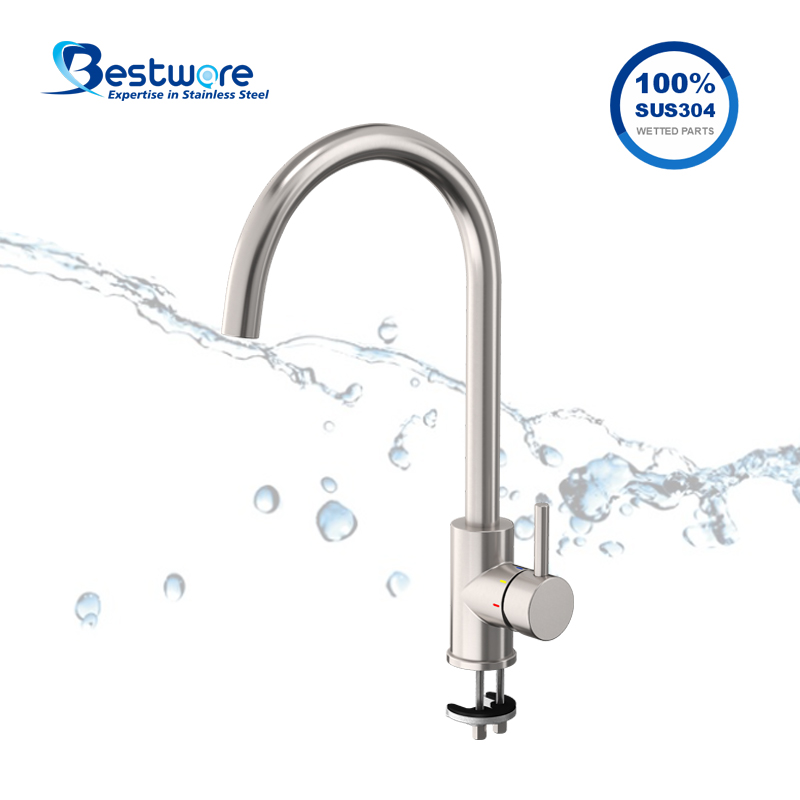
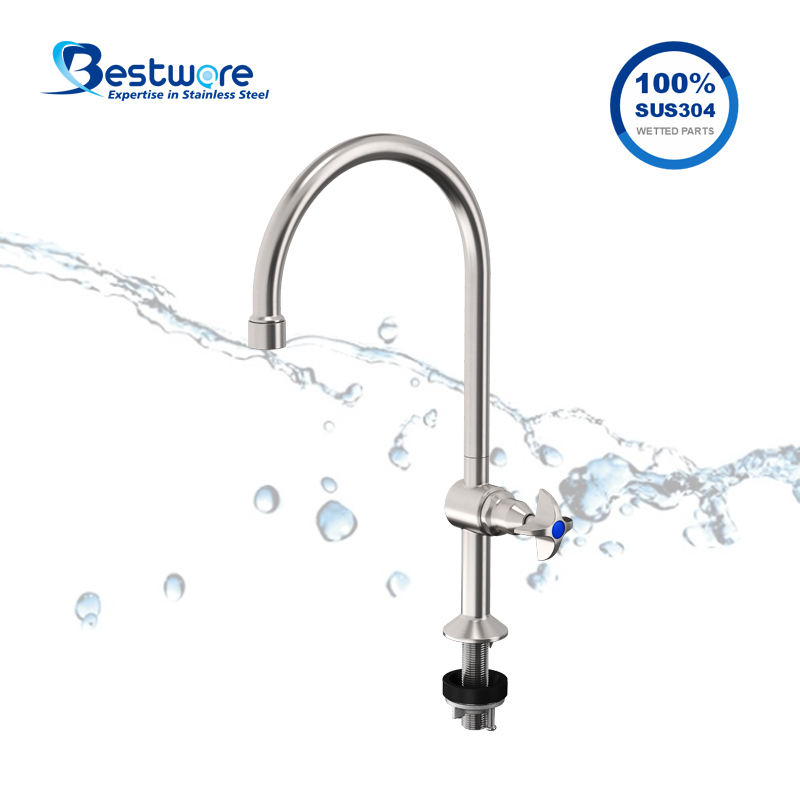
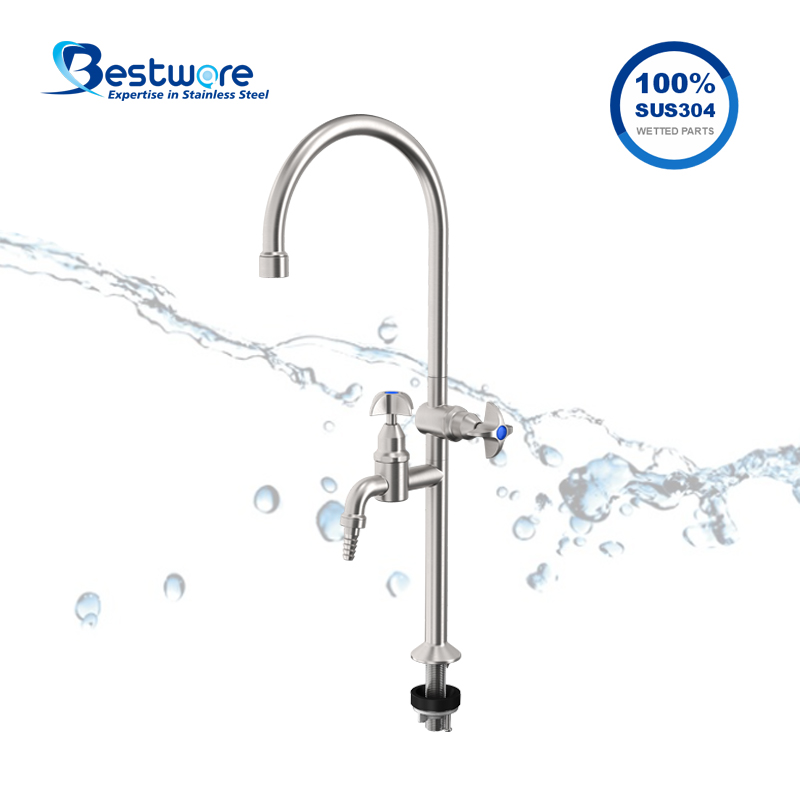
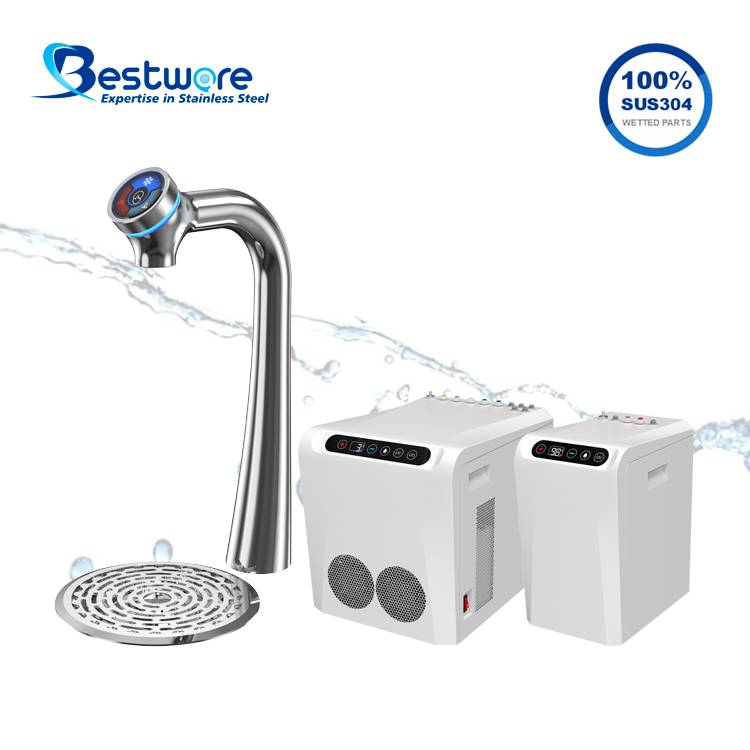
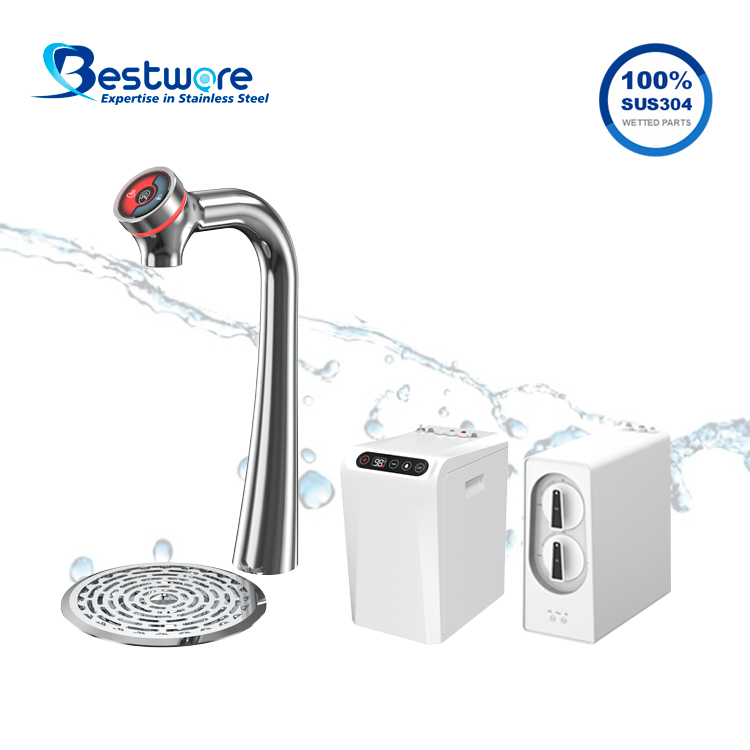
At Bestware, drinking water safety is at the core of our product development philosophy. Our drinking taps are manufactured from 100% food-grade SUS304 stainless steel, eliminating the use of lead-containing brass and helping reduce the potential risk of lead leaching at the source. Stainless steel also offers outstanding corrosion resistance, maintaining an excellent surface finish without electroplating. This makes it a more environmentally friendly and durable solution for long-term public use.
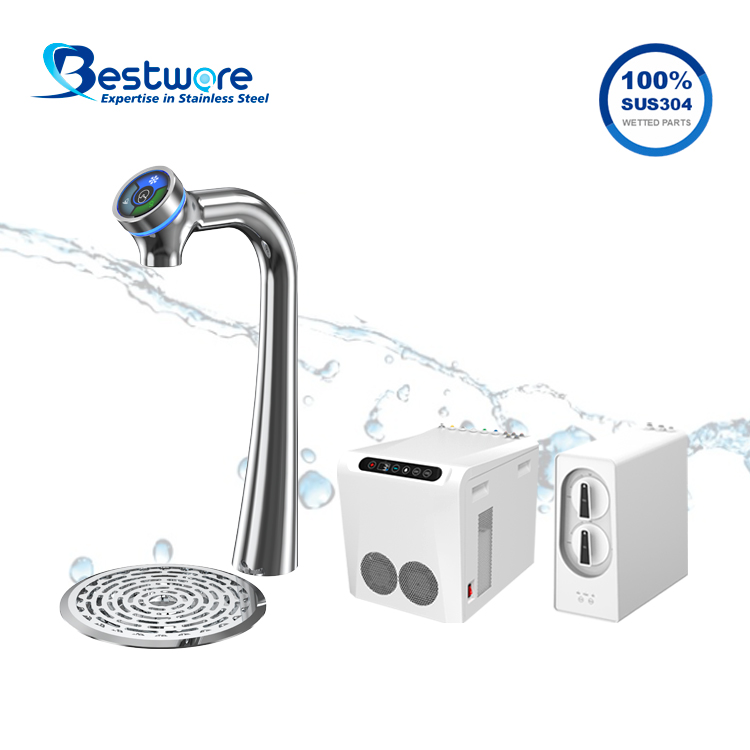
To meet the needs of different projects, Bestware also offers optional features including food-grade silicone mouth guards, concealed flow adjustment, anti-interference sensor technology, as well as integrated filtration and water chilling solutions—helping facility managers create safer, more efficient, and easier-to-maintain public drinking water systems.
As global standards for drinking water safety continue to evolve, lead-free construction has become an essential requirement for modern public drinking water equipment. When selecting drinking taps, buyers should look beyond price and appearance to evaluate factors such as material quality, safety, corrosion resistance, maintenance costs, and long-term value. Choosing a genuinely lead-free drinking tap manufactured from food-grade 304 stainless steel not only improves drinking water quality but also reduces maintenance demands and delivers reliable, sustainable performance throughout the product's service life.
One-stop Solution Provider of Stainless Steel Commercial Faucets
Email: business@bestware-stainless.com
after-sales@bestware-stainless.com
Tel: +86 18929047065
WhatsApp: +86 18929047065


WeChat: +86 18929047065


Website: www.bestware-stainless.com(Global Site)
www.bestware-sparkling.com(Water Dispenser)
Add: Block 8, No. 6, Jianda Nan Road, Jiangmen, Guangdong, China
Copyright © Bestware Hardware Production Co., Ltd. All Rights Reserved.
.jpg)
.jpg)
.jpg)
.jpg)
.png)
.png)
.png)
.png)