
Date: 2026-06-30
Metering faucets have become a standard fixture in schools, hospitals, airports, shopping malls, and various public washrooms. Their primary value is often associated with water conservation. However, in real-world facility operations, managers are usually less concerned with water savings alone and more focused on two critical metrics: user complaints and maintenance frequency. A faucet may appear to be a simple fixture, but in high-traffic environments, it can become a continuous source of operational challenges. Poor user feedback, frequent repair requests, component failures, and rising maintenance costs can gradually accumulate over time. Ultimately, these issues affect both facility efficiency and user satisfaction. For this reason, one of the most important benefits of a metering faucet in commercial applications is not simply saving water, but reducing complaints and minimizing maintenance requirements.
In practice, issues related to metering faucets generally fall into four major categories. Each category affects either user experience or long-term operational reliability.
Many traditional metering faucets require a relatively high activation force before water begins to flow. In high-traffic public environments, this can create noticeable inconvenience for children, elderly users, and individuals with limited hand strength. When the activation force is too high, users often perceive the product as difficult to use, even when it functions correctly. Over time, this can lead to recurring complaints regarding accessibility and usability.
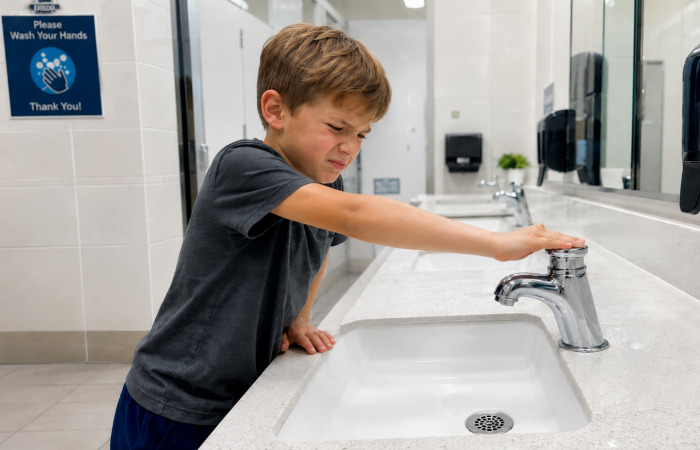
The quality of water flow has a direct impact on user satisfaction. Some products may produce unstable flow, excessive splashing, or overly aggressive water streams during normal operation. In handwashing applications, these issues not only reduce comfort but can also leave standing water on countertops and surrounding surfaces. As a result, cleaning requirements increase and facility managers may receive complaints about hygiene and washroom conditions.
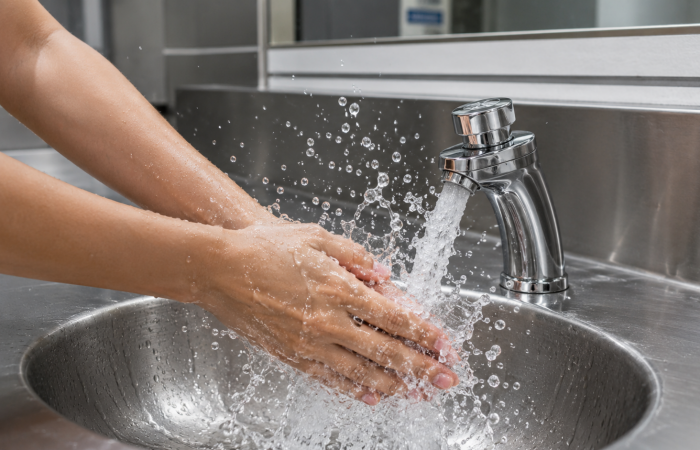
One of the most important parameters of a metering faucet is its flow duration. If the timing is too short, users must repeatedly activate the faucet during a single handwashing cycle. If the timing is too long, unnecessary water consumption occurs. More importantly, different facilities have different requirements. The handwashing habits in schools, hospitals, and airports vary significantly. A fixed timing setting often struggles to accommodate multiple application scenarios, resulting in inconsistent user experiences.
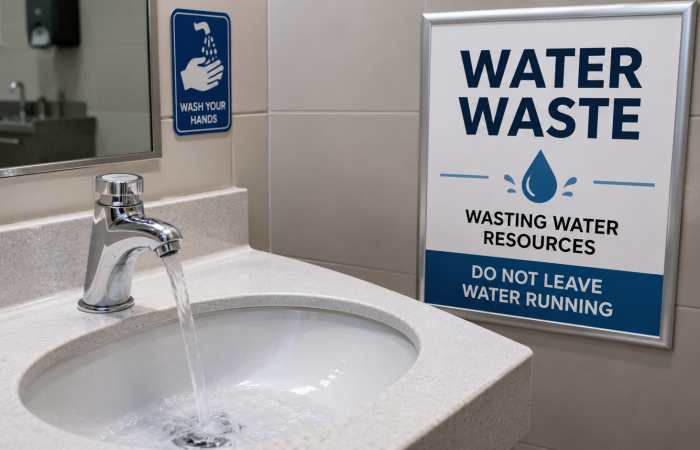
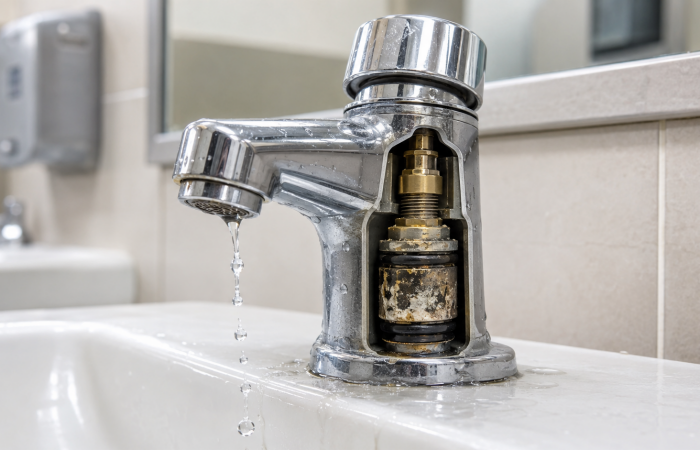
In high-use environments, timing mechanisms, seals, and valve components are subjected to continuous mechanical wear. When materials or internal structures are not designed for heavy-duty commercial use, problems such as leakage, incomplete shut-off, and valve failure can occur. These failures directly translate into maintenance work orders and represent one of the most significant operational costs for facility managers.
Typical failure distribution is shown below:
|
Failure Type |
Percentage |
|
Leakage |
35% |
|
Incomplete Shut-Off |
28% |
|
Activation Failure |
22% |
|
Internal Sticking |
15% |
Addressing these four categories of issues requires more than a single product feature. Effective optimization must consider user experience, timing control, water delivery performance, and long-term durability as a complete system.
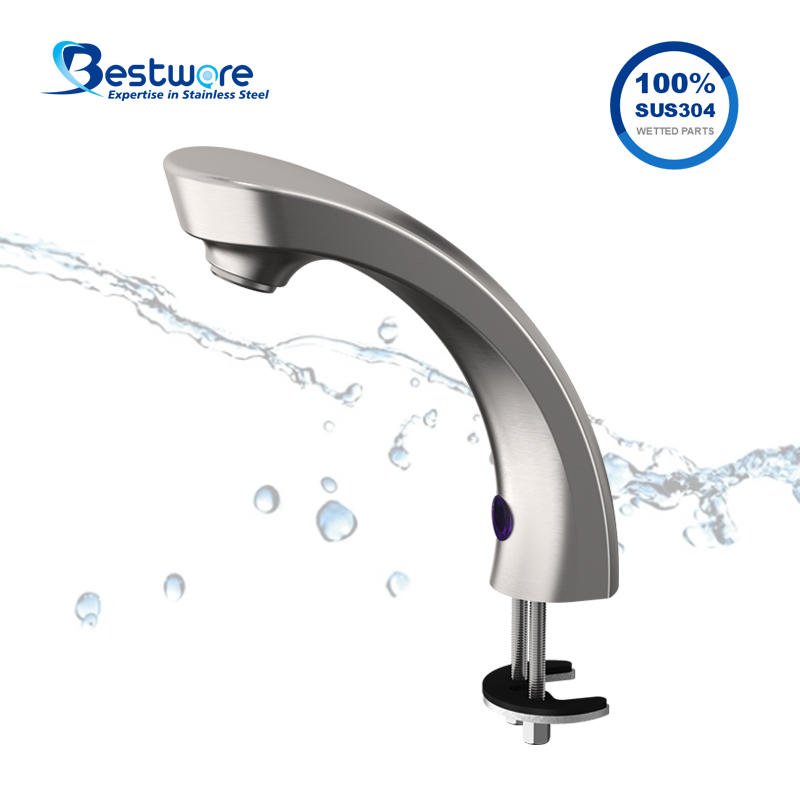
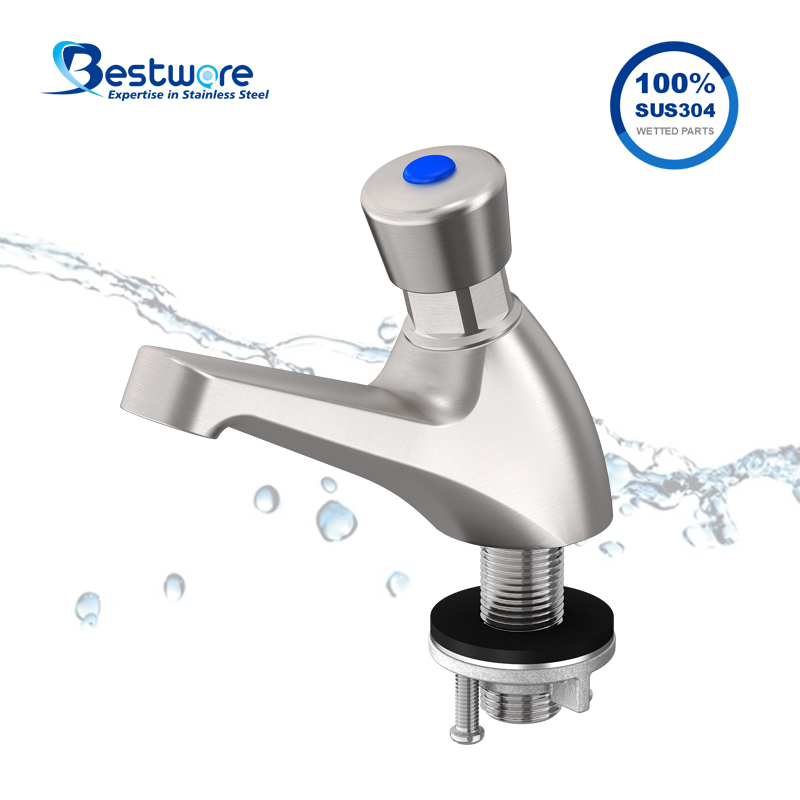
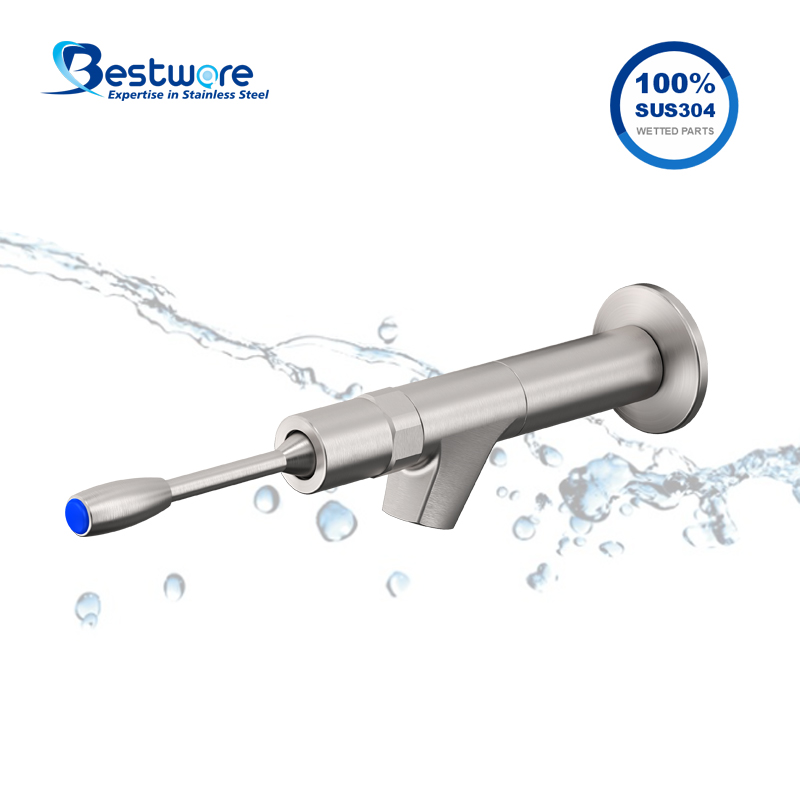
The first trigger for user complaints is rarely equipment failure. More often, it is the effort required to operate the faucet. When users perceive a product as difficult or uncomfortable to use, satisfaction drops immediately and complaints become more likely. This is especially true in facilities serving children, elderly individuals, or users with limited physical strength. Bestware metering faucets feature a light-press activation design that reduces operating force by more than 50% compared to many conventional products on the market. By lowering the effort required to activate the faucet, operation becomes easier and more intuitive for a wider range of users. As a result, acceptance improves and complaints related to usability are significantly reduced from the start.
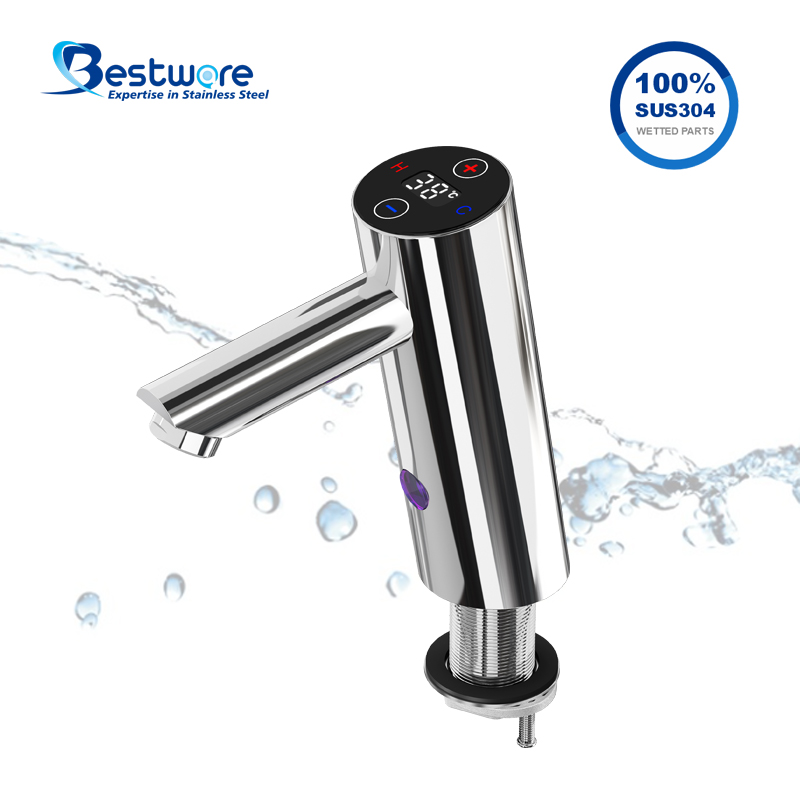
Flow duration is one of the most important factors affecting both user experience and water efficiency. Bestware metering faucets offer an adjustable timing range of 6 to 16 seconds, one of the widest adjustment ranges available in the industry today. This flexibility allows facility managers to tailor water delivery to the specific requirements of different environments, whether it is a school washroom, hospital handwashing station, airport restroom, or other high-traffic commercial facility. Compared with fixed-time products, adjustable timing provides a better balance between water conservation and user convenience, reducing complaints caused by insufficient or excessive flow duration.
Many complaints are not caused by the timing mechanism itself, but by inconsistent water delivery. In commercial buildings, water pressure often fluctuates throughout the day. During peak usage periods, these fluctuations can lead to:
· Water flow that suddenly increases or decreases
· Interrupted flow patterns
· Excessive splashing
· Increased operating noise
Although these issues do not immediately cause equipment failure, they can significantly affect user satisfaction. To address this challenge, a commercial metering faucet must be capable of maintaining stable performance under varying water supply conditions. Bestware incorporates pressure-balancing technology that helps maintain a smooth and consistent flow even when water pressure fluctuates. This reduces splashing and improves the overall handwashing experience. The faucet is also equipped with a premium Neoperl aerator, which further refines the water stream, creating a softer, more uniform flow. For end users, this improvement is immediately noticeable and often has a greater impact on satisfaction than water-saving performance alone.
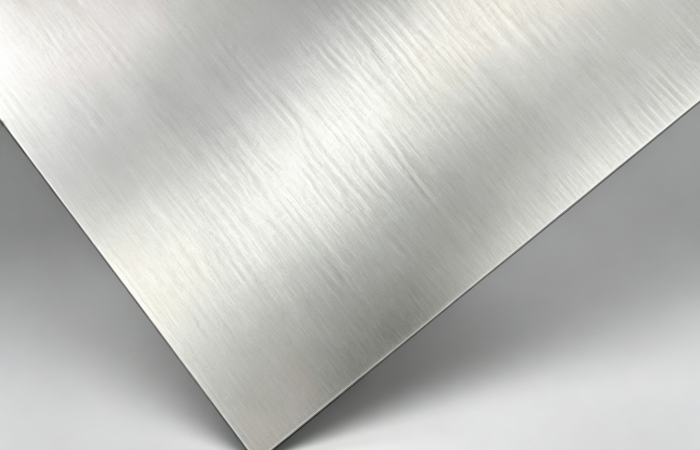
In high-traffic public environments, a metering faucet may be activated hundreds or even thousands of times every day. If the internal structure and materials are not designed for such demanding conditions, wear accelerates quickly, leading to leakage, malfunction, or premature replacement. Bestware metering faucets are constructed entirely from lead-free SUS304 stainless steel, including all wetted components. This material offers excellent resistance to moisture, cleaning chemicals, and the stresses associated with continuous commercial use. Compared with traditional brass constructions, stainless steel provides superior corrosion resistance and long-term structural stability. As a result, maintenance frequency decreases, service life increases, and replacement costs are significantly reduced.
The value of a metering faucet in commercial projects cannot be measured solely by its water-saving capability. It must also be evaluated based on user experience, reliability, and long-term operating costs. Complaint levels reflect how easy and comfortable the product is to use. Maintenance frequency reflects the durability and reliability of its internal structure. Together, these factors determine the overall management burden placed on a facility. A truly effective metering faucet must combine four essential characteristics: low activation force, appropriate timing control, consistent water delivery, and long-term durability. Bestware integrates all four through its low-force activation design, adjustable 6–16 second timing range, pressure-balancing water delivery system, premium Neoperl aerator, and all-SUS304 stainless steel construction. This unified design approach allows the product to perform reliably in high-traffic commercial environments, reducing complaints and maintenance requirements at the source while helping facilities achieve a lower Total Cost of Ownership (TCO).
One-stop Solution Provider of Stainless Steel Commercial Faucets
Email: business@bestware-stainless.com
after-sales@bestware-stainless.com
Tel: +86 18929047065
WhatsApp: +86 18929047065


WeChat: +86 18929047065


Website: www.bestware-stainless.com(Global Site)
www.bestware-sparkling.com(Water Dispenser)
Add: Block 8, No. 6, Jianda Nan Road, Jiangmen, Guangdong, China
Copyright © Bestware Hardware Production Co., Ltd. All Rights Reserved.
.jpg)
.jpg)
.jpg)
.jpg)
.png)
.png)
.png)
.png)