
Date: 2026-05-19
In laboratory equipment procurement, laboratory faucets are often among the most underestimated components. Unlike analytical instruments, they do not directly affect test results, and unlike ventilation systems, they are not typically viewed as critical safety infrastructure. As a result, they are frequently simplified into a basic utility item under the assumption that “as long as water flows, it is sufficient.” However, from an operational perspective, laboratory faucets are in fact typical high-frequency, long-term-use devices. Their failures rarely occur as sudden breakdowns. Instead, problems such as leakage, corrosion, valve wear, and unstable operation gradually accumulate over time, eventually turning into ongoing maintenance costs and operational disruptions. More importantly, the purchasing logic used by many laboratories is fundamentally flawed from the beginning. Rather than selecting faucets specifically designed for laboratory environments, many facilities end up choosing products that merely appear “universal enough.”
In actual procurement, one very common phenomenon is that laboratory faucets are categorized simply as “faucet products,” and are therefore selected according to ordinary commercial or residential standards. The core issue with this logic is that it ignores the unique characteristics of laboratory environments. Laboratory operating conditions typically include high-frequency on/off operation, continuously humid environments, and varying levels of chemical exposure, such as alcohol, disinfectants, and weak acidic or alkaline solutions. These conditions inherently place much higher demands on material stability and structural durability.
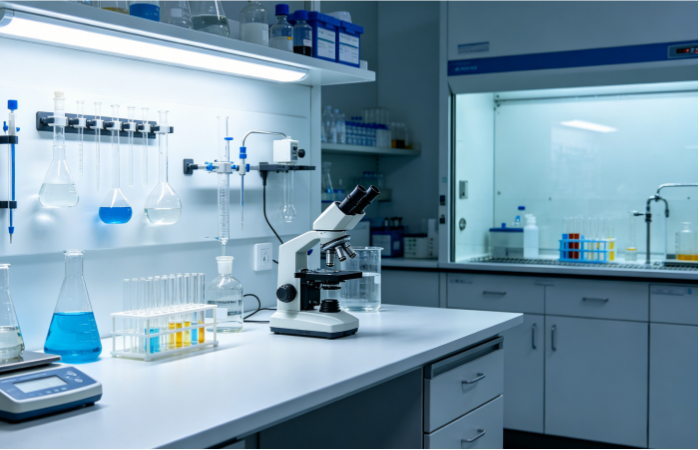
Under incorrect procurement logic, faucets are treated merely as “water dispensing tools,” which leads to three typical consequences. The first is overly casual material selection, the second is the lack of evaluation of structural durability, and the third is a serious underestimation of long-term maintenance costs. This is also why many laboratories gradually begin experiencing the same types of problems after a period of operation:
· Increased minor faucet leakage
· Loose handles or increased operating resistance
· Surface oxidation or corrosion marks
· Noticeably higher maintenance and replacement frequency
Although these issues may seem minor individually, when they occur simultaneously across multiple laboratory workstations, they gradually increase the overall maintenance burden of the laboratory.
The mainstream materials currently used for laboratory faucets mainly fall into three categories: plastic, brass, and 304 stainless steel. During procurement comparisons, many buyers tend to focus more on initial purchase price. In reality, however, the true difference between these materials is not simply cost, but long-term operational stability.

Plastic faucets are commonly used in educational or low-duty environments because of their low cost. However, their structural strength and chemical resistance are limited, making them more susceptible to aging, deformation, and sealing deterioration under long-term high-frequency use or chemical exposure. Brass faucets represent a traditional industrial solution with relatively good mechanical performance, but in laboratory environments, their stability heavily depends on the surface plating layer. Once the plating is damaged by cleaning chemicals or humid conditions, the underlying material becomes exposed and enters a continuous oxidation and corrosion process that is irreversible. 304 stainless steel is fundamentally different, as its corrosion resistance comes from the passive layer within the material itself. As a result, it delivers more stable long-term performance without relying on external coatings for protection. More importantly, these differences are not immediately visible in the short term, but gradually become apparent over time. For laboratories operating over long periods, material selection affects not only equipment lifespan, but also future maintenance frequency and operational reliability.
|
Material Type |
Initial Cost |
Long-Term Stability |
Maintenance Frequency |
Suitable Environment |
|
Plastic |
Low |
Low |
High |
Educational / Low-Duty Applications |
|
Brass |
Medium |
Moderate |
Moderate |
General Laboratories |
|
304 Stainless Steel |
Higher |
High |
Low |
Chemical / High-Demand Laboratories |
When selecting faucets, many laboratories pay particular attention to whether the exterior is made of stainless steel. In reality, however, long-term reliability depends not only on the external material, but also on whether the internal structure can continuously adapt to laboratory operating conditions. Laboratory faucets are high-frequency-use devices, and their internal valve cores and sealing structures undergo countless opening and closing cycles every day. Under prolonged humidity exposure and continuous contact with chemical cleaning agents, internal structures often become failure-prone areas even more quickly than external surfaces.
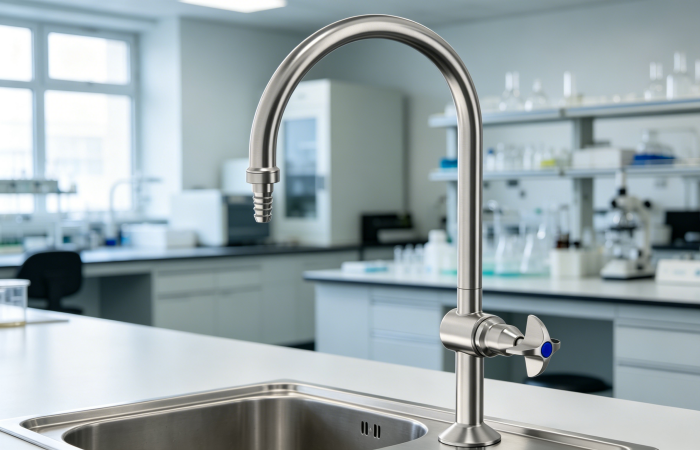
Many products may appear problem-free during the early stages of use, but as operating time increases, issues gradually begin to emerge:
· Incomplete shut-off
· Increased operating resistance
· Internal leakage
· Declining sealing performance
Most of these problems are related to long-term wear or corrosion of internal structures.
As a result, more and more laboratories are beginning to focus on a previously overlooked issue: not only whether the exterior is stainless steel, but whether the internal critical components also possess corrosion resistance. Compared with ordinary internal structure solutions, stainless steel valve core systems can maintain more stable corrosion resistance in long-term humid and chemical environments, thereby reducing maintenance issues caused by oxidation and wear. For high-frequency laboratory applications, consistent corrosion resistance throughout the internal structure is often more important than exterior appearance materials alone.
In many purchasing decisions, laboratory faucets are still primarily compared based on initial purchase price. However, for equipment subjected to long-term, high-frequency use, the real cost often does not occur during procurement itself, but gradually accumulates during later operation.

The long-term costs of laboratory faucets typically include:
· Routine maintenance costs
· Replacement part expenses
· Downtime caused by leakage
· Labor and facility management costs
When equipment stability is insufficient, even a lower initial purchase price may ultimately result in much higher overall operating costs. This is especially true in the United States, where commercial and laboratory plumbing maintenance labor costs are often significantly higher than the product itself. According to publicly available U.S. commercial plumbing service pricing, licensed plumbers typically charge between USD 75–150 per hour, with higher rates for commercial and emergency repair services. In high labor cost regions such as California and New York, commercial repair pricing can rise even further. In laboratory environments with high usage frequency, even minor leakage or valve-related issues may continuously generate maintenance and labor costs over time.
|
Maintenance Item (U.S. Market Reference) |
Typical Cost Range |
|
Routine Laboratory Faucet Repair |
USD 100–300 per service |
|
Valve Core / Seal Replacement |
USD 50–200 |
|
Emergency Repair Service |
USD 120–250 per hour |
To address common long-term laboratory issues such as corrosion, leakage, and increasing maintenance frequency, Bestware places greater emphasis on long-term operational stability in both material selection and internal structural design, rather than focusing solely on basic water delivery functionality.
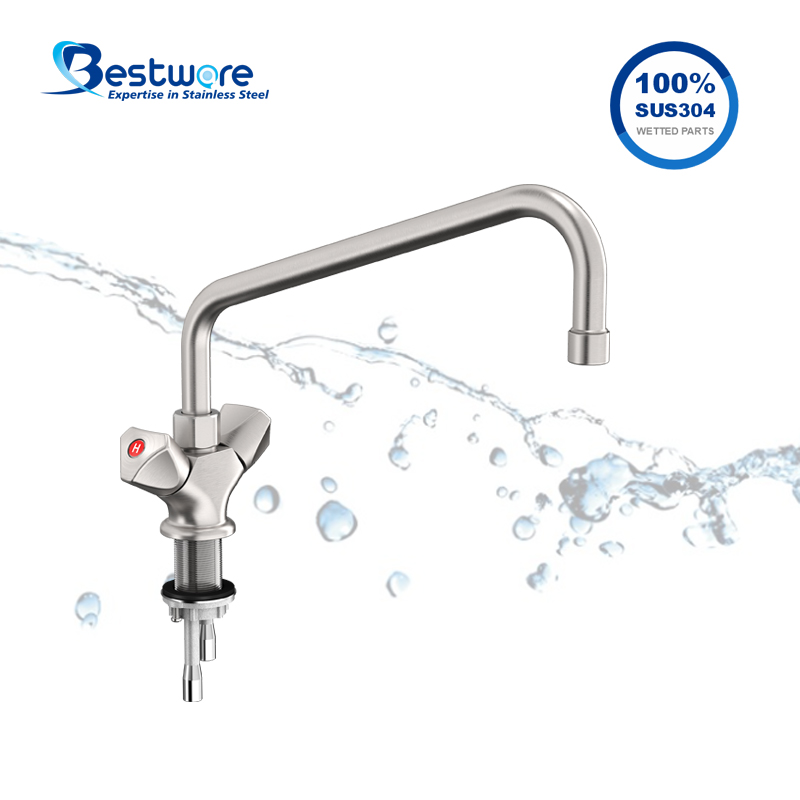
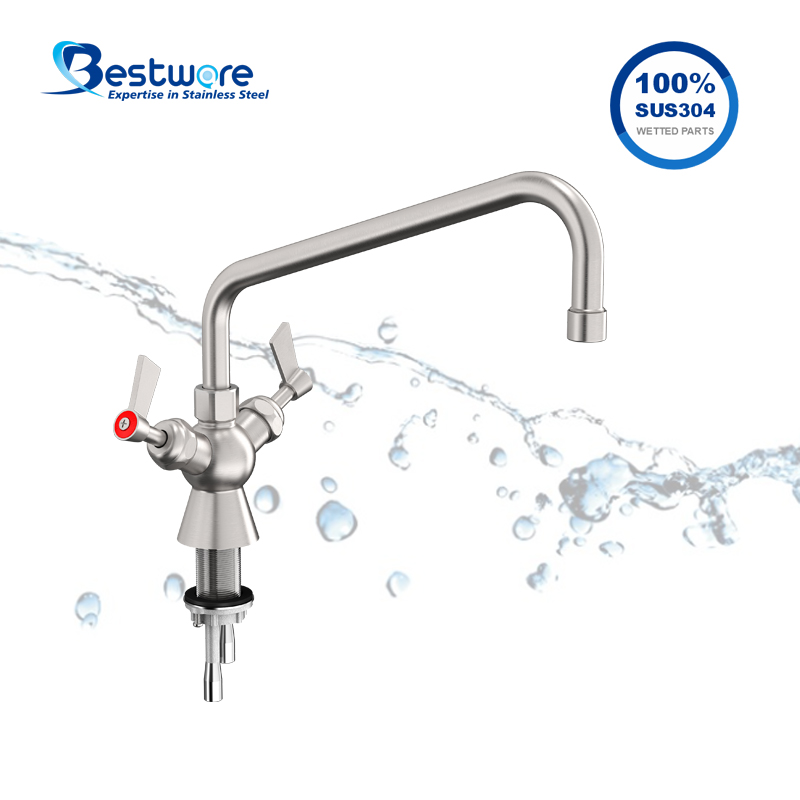
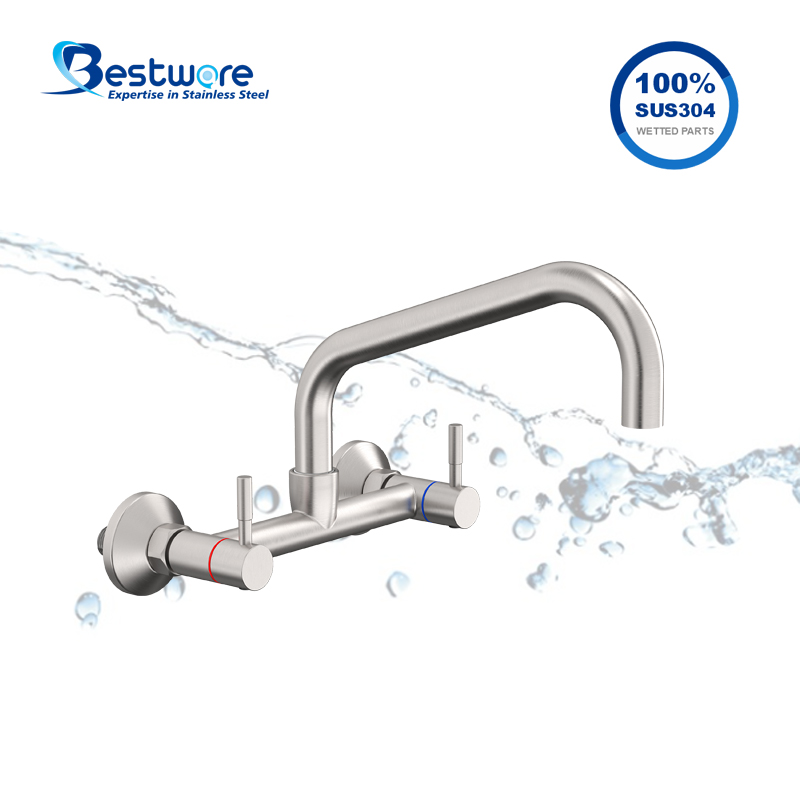
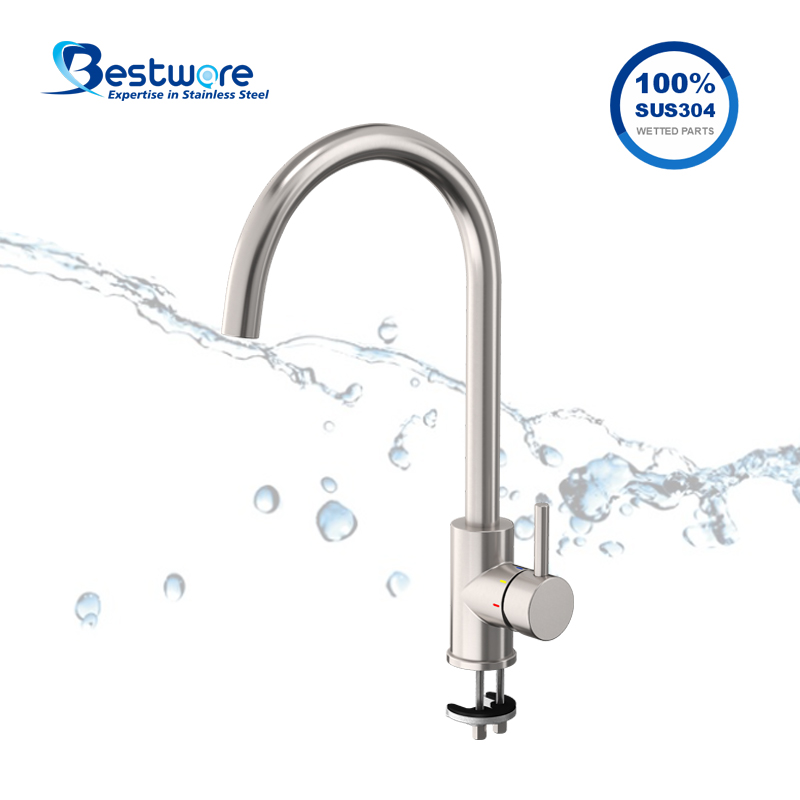
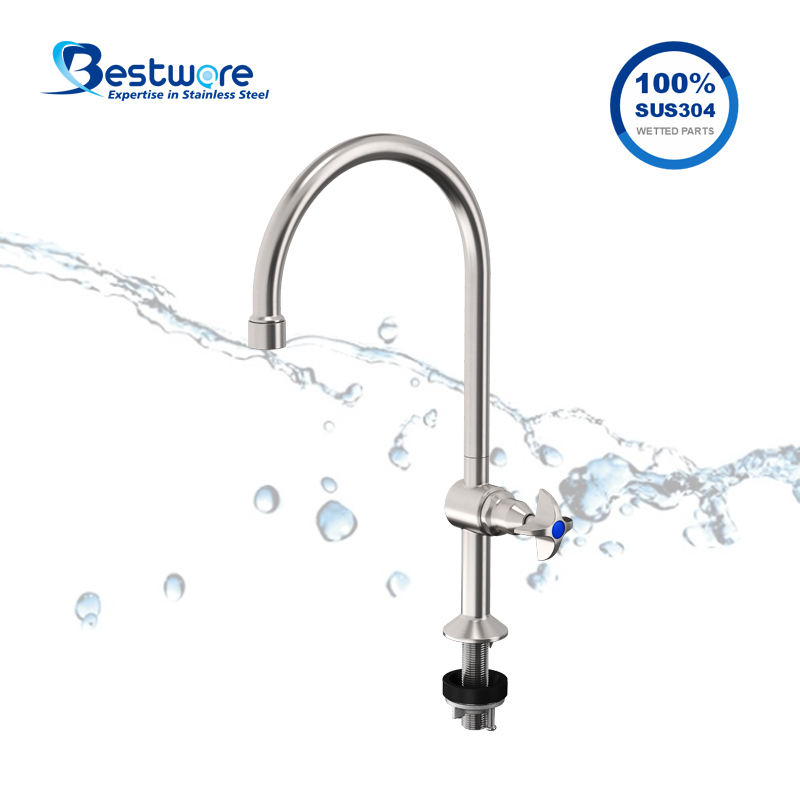
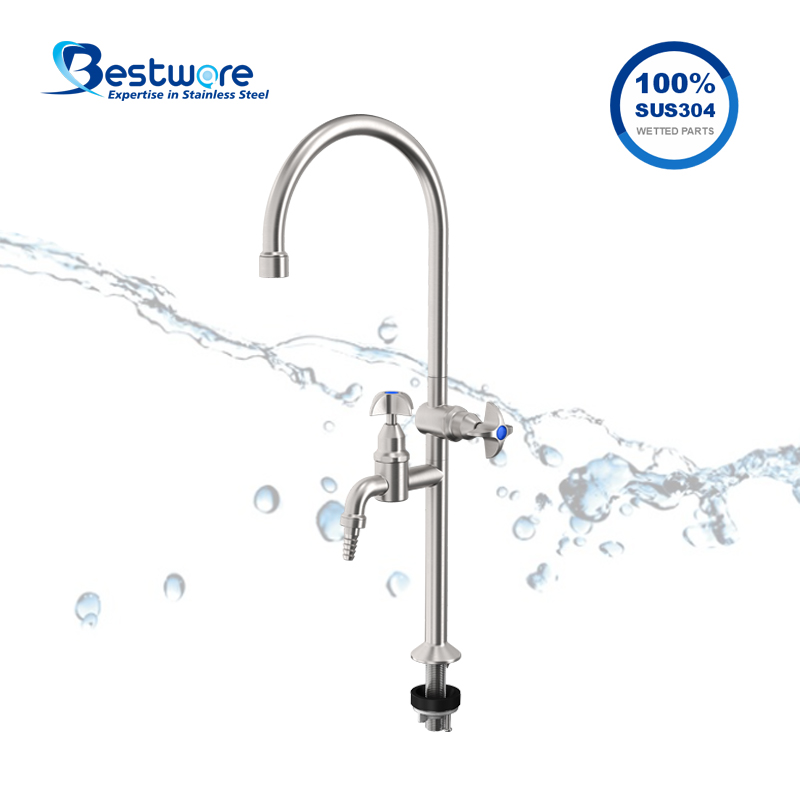
In terms of materials, Bestware laboratory faucets utilize lead-free 304 stainless steel body construction. Unlike traditional solutions that rely on surface plating, the corrosion resistance of 304 stainless steel comes from the material itself. This allows the faucet to maintain more stable structural performance under long-term humid conditions and in laboratory cleaning environments involving alcohol and disinfectants.
For the internal structure — an area often overlooked by many laboratories — Bestware also utilizes stainless steel valve core, creating a consistent corrosion-resistant structural approach from the exterior to the internal components. In high-frequency laboratory environments, internal structures exposed continuously to moisture and cleaning chemicals are often the areas most vulnerable to oxidation, wear, and leakage. Stainless steel valve cores are able to maintain more stable sealing and corrosion resistance during long-term operating cycles, helping reduce future maintenance frequency.
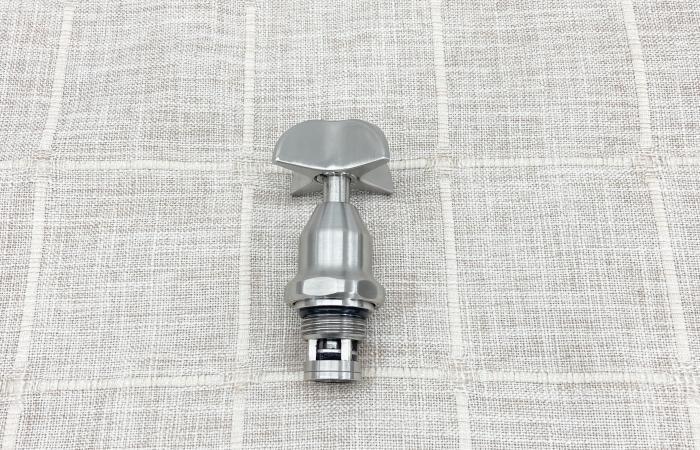
At the same time, Bestware laboratory faucets also utilize vandal resistant cross handles to better meet the stability and safety requirements of long-term, high-frequency laboratory use.
From a long-term operational perspective, what truly matters is not simply whether the faucet works today, but whether it can still remain stable years later without requiring frequent repair or replacement.
Problems with laboratory faucets rarely appear on the day of installation. Instead, they gradually emerge after years of long-term operation. Many laboratory systems that initially appear problem-free have simply not yet entered the stage where high-frequency use begins to accelerate performance degradation. Once materials, internal structures, or sealing systems can no longer adapt to laboratory environments over time, maintenance frequency and operating costs will continue to increase. For laboratory managers, a truly suitable laboratory faucet is not only one that can deliver water properly, but one that can remain stable, reliable, and low-maintenance under long-term high-frequency use and complex laboratory conditions.
Why Are Apparently Simple Knee Operated Designs Becoming More Popular in High-Traffic Environments?
4 Common Mistakes in Laboratory Faucet Procurement: What Are the Truly Critical Selection Criteria?
Bestware at NRA Show 2026 USA: Showcasing Commercial Stainless Steel Water Solutions
Does Repeatedly Pressing a Metering Faucet Extend the Water Flow Time?
One-stop Solution Provider of Stainless Steel Commercial Faucets
Email: business@bestware-stainless.com
after-sales@bestware-stainless.com
Tel: +86 18929047065
WhatsApp: +86 18929047065


WeChat: +86 18929047065


Website: www.bestware-stainless.com(Global Site)
www.bestware-sparkling.com(Water Dispenser)
Add: Block 8, No. 6, Jianda Nan Road, Jiangmen, Guangdong, China
Copyright © Bestware Hardware Production Co., Ltd. All Rights Reserved.
.jpg)
.jpg)
.jpeg)
.png)
.png)
.jpg)
.png)